
Growing the Evidence Base: Early Insights from I Dig Trees Monitoring
Case Study
The Conservation Volunteers (TCV) partnered with 3ADAPT to develop a new digital approach to understanding volunteer planting success and the benefits being delivered through the I Dig Trees programme. This work is helping build a clearer, more consistent picture of how community-planted trees establish, thrive and respond to their surroundings.
The first wave of monitoring results is now in—offering a valuable early view of how trees are performing across a diverse range of sites.
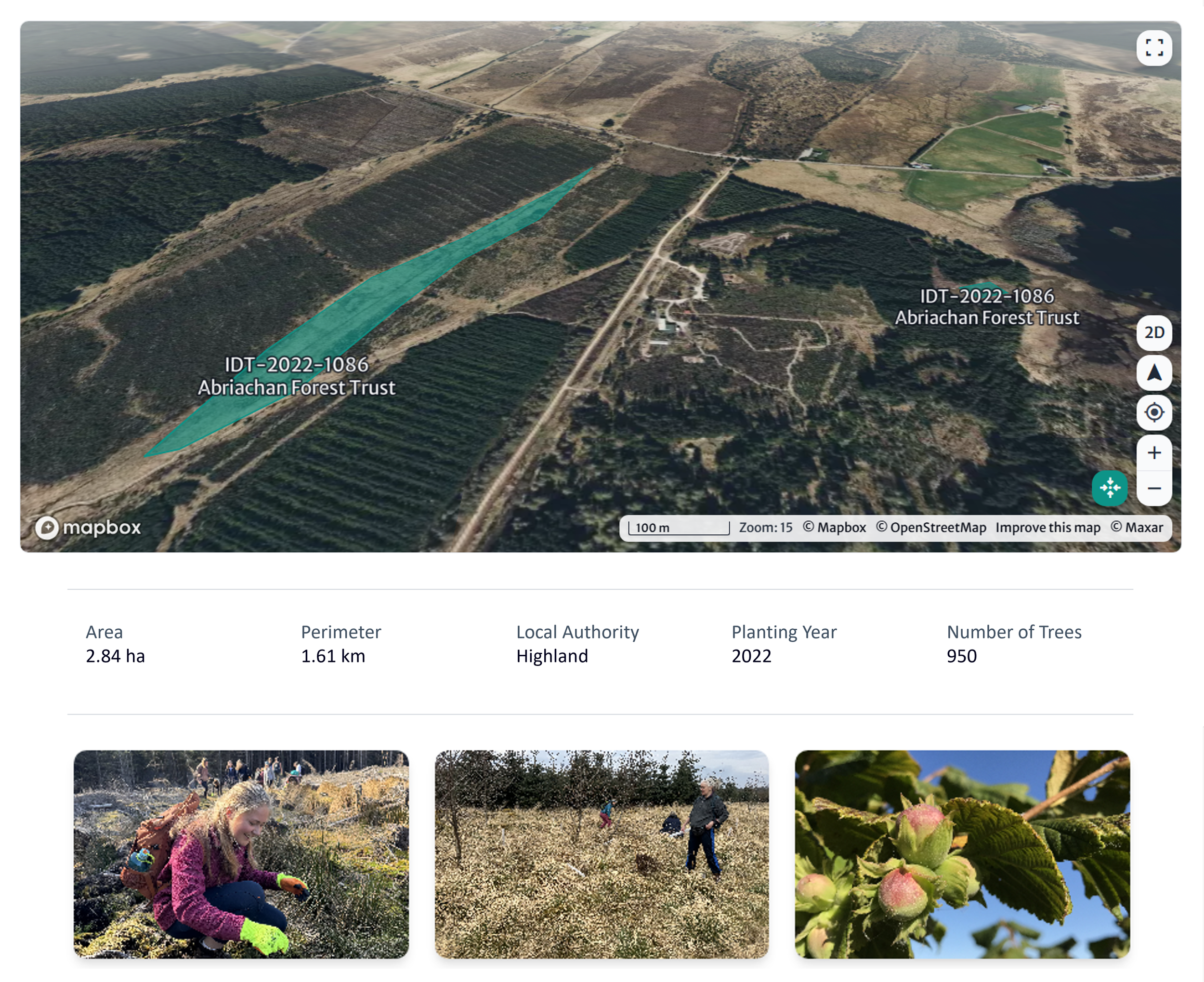
An example of mapped planting boundaries captured through the I Dig Trees app and visualised in 3ADAPT’s Landarna Platform. This example from the Abriachan Forest Trust shows the exact areas where 950 trees were planted in 2022.
A clearer picture of what’s happening on the ground
So far, volunteers have submitted monitoring data covering over 10,000 trees across more than 30 TCV planting sites. Using the app—developed by 3ADAPT—they have mapped planting areas, uploaded photos and recorded observations on survival, condition, pests, damage and planting quality. This information is aggregated and analysed in 3ADAPT’s Landarna platform.
A few early patterns are already emerging:
1. Tree survival is encouraging and informative
Average survival across monitored sites is approximately 75%. For community-led planting carried out across varied soils, climates and management capacities, this is a strong baseline that highlights where targeted aftercare could improve outcomes.
2. Most trees are in good health
Volunteers reported 79% of trees as healthy or very healthy, with many describing trees as “healthy and well.” Only a minority noted signs of browsing, leaf damage or drought stress.
3. Low levels of vandalism or accidental damage
Most sites recorded no evidence of vandalism or physical damage. Occasional issues such as strimmer knocks or minor trampling were limited to specific areas.
4. Mammal browsing occurs but is localised
Some sites reported browsing by deer, rabbits, hares or squirrels, though impacts remained sporadic and species-specific rather than widespread.
5. Planting quality is consistently high
Nearly all volunteers reported no issues with planting technique, reflecting the training provided and the care volunteers take during establishment.
“Our partnership with 3ADAPT marks a significant leap forward in demonstrating and supporting the impact of community action. We now have robust tools to clearly and credibly show how each volunteer and every tree planted is helping to create better nature for all.”
A new chapter: capturing every planting site from this season onwards
Starting this planting season, all I Dig Trees volunteer groups will use the I Dig Trees planting app to record the exact location and boundaries of their planting activities. This includes:
mapping polygons of planting areas
submitting before and after photos
adding key site details, such as ground conditions and context
recording species mixes and planting layouts
This process will create a complete national map of where trees have been and are being planted—supported by structured information that can be compared across different landscapes.
Volunteer groups will then be encouraged to return to their sites periodically to track survival, document seasonal changes and build a photographic and data-driven record of how their trees develop over time.
Each group will receive:
an annual summary of their planting and forecasted impacts
a growing report that builds year on year, documenting the evolving story of their site
This ongoing record helps volunteers understand the long-term impact of their work while contributing to a powerful national dataset.
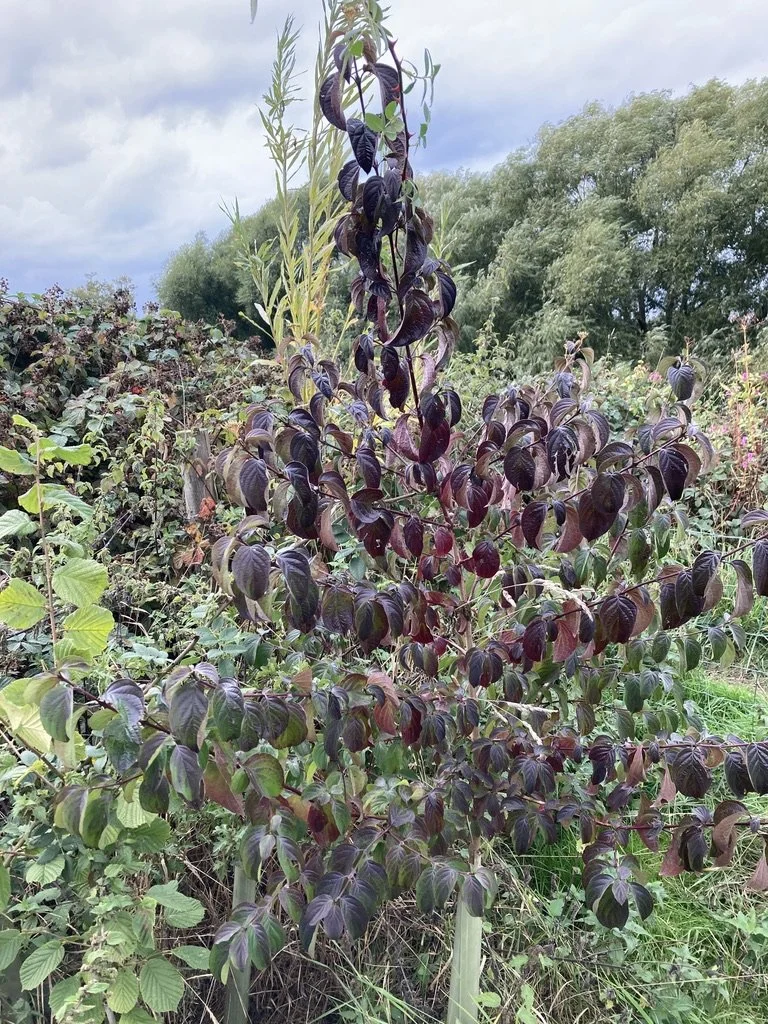
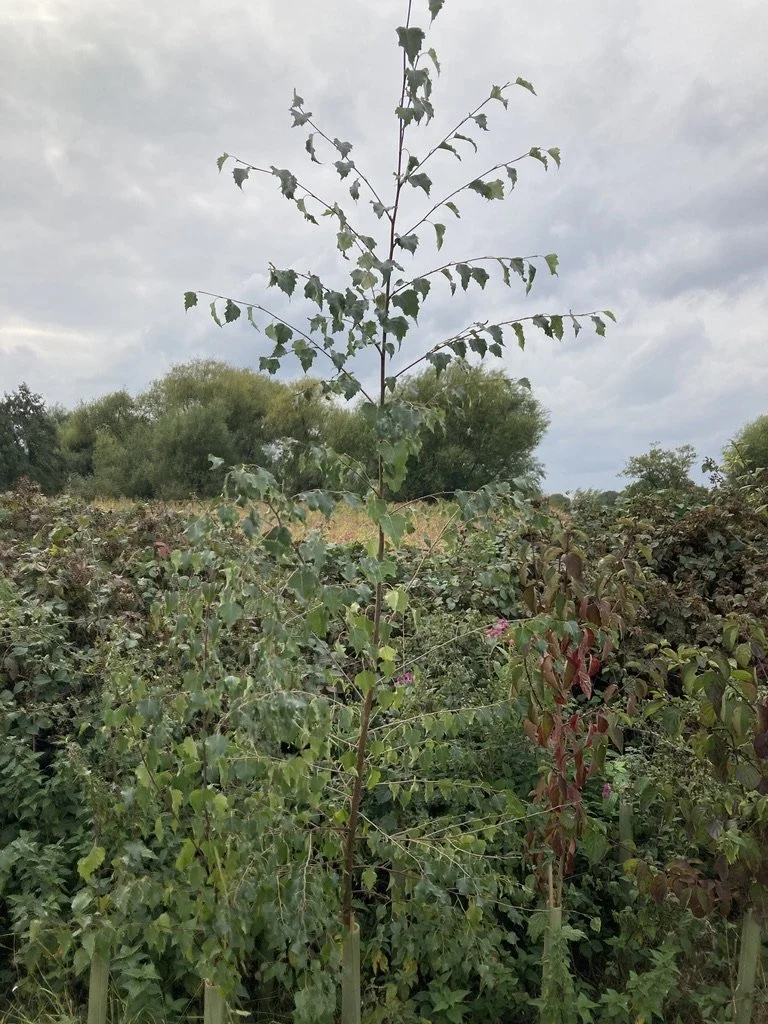
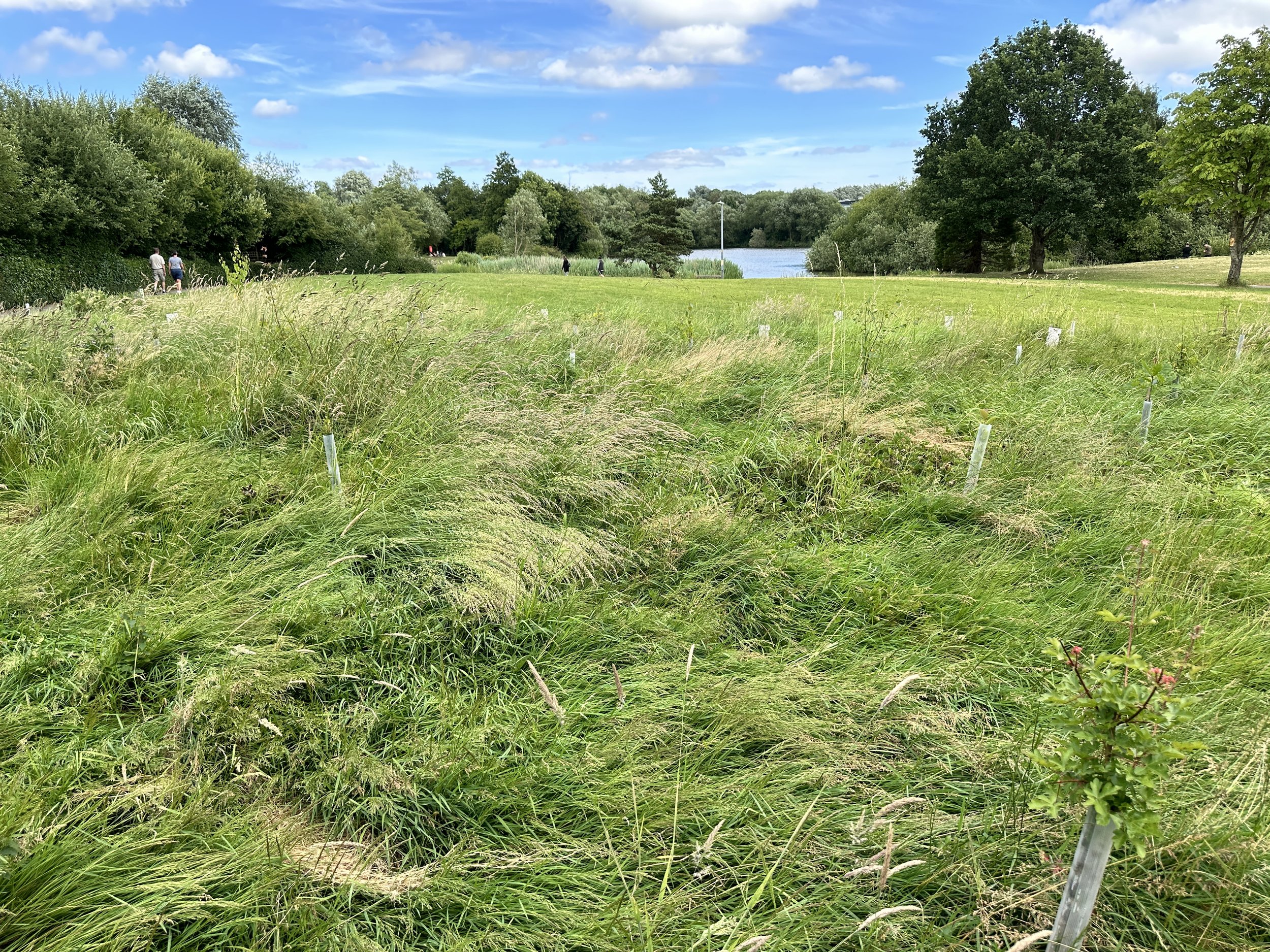
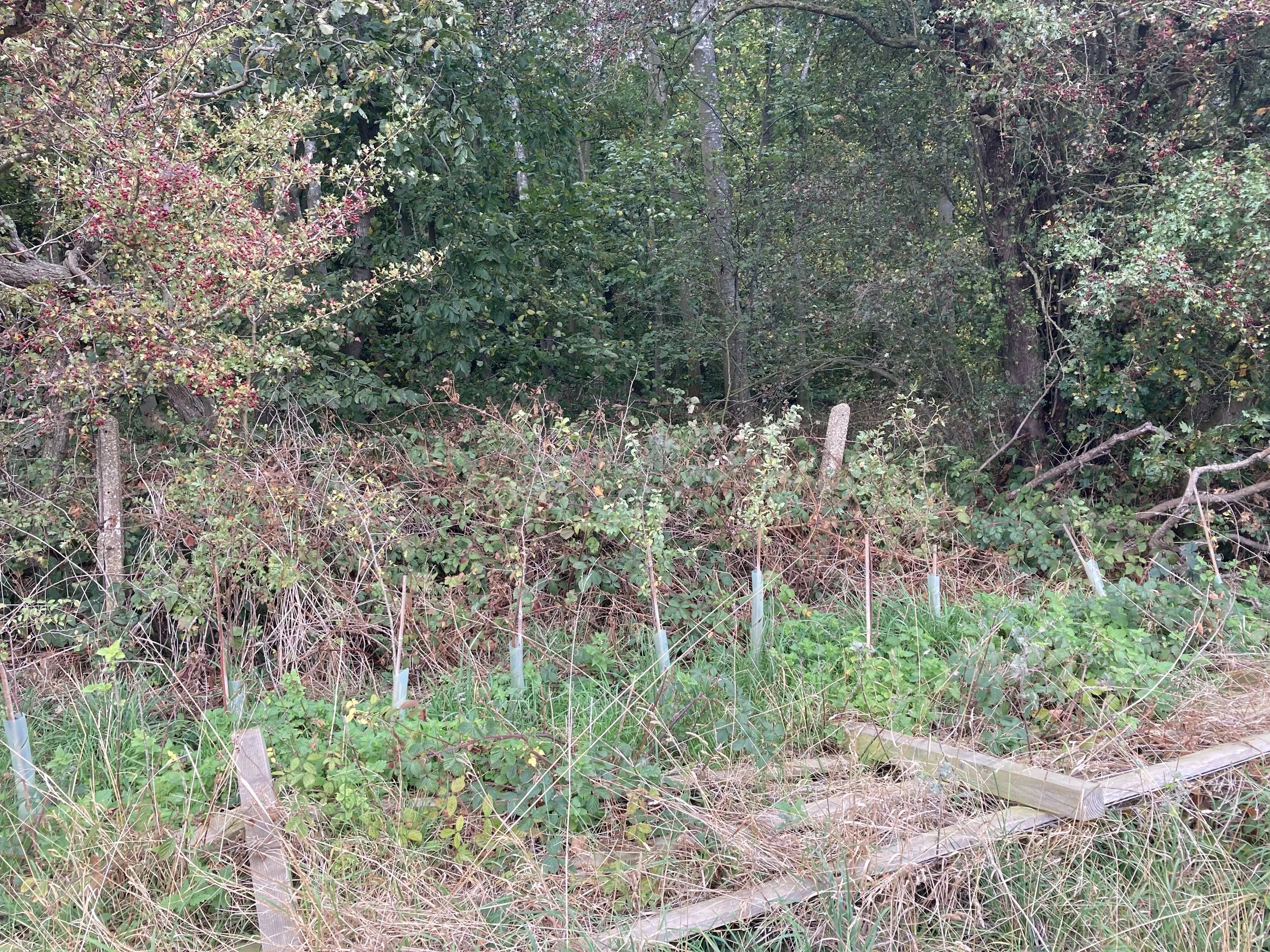
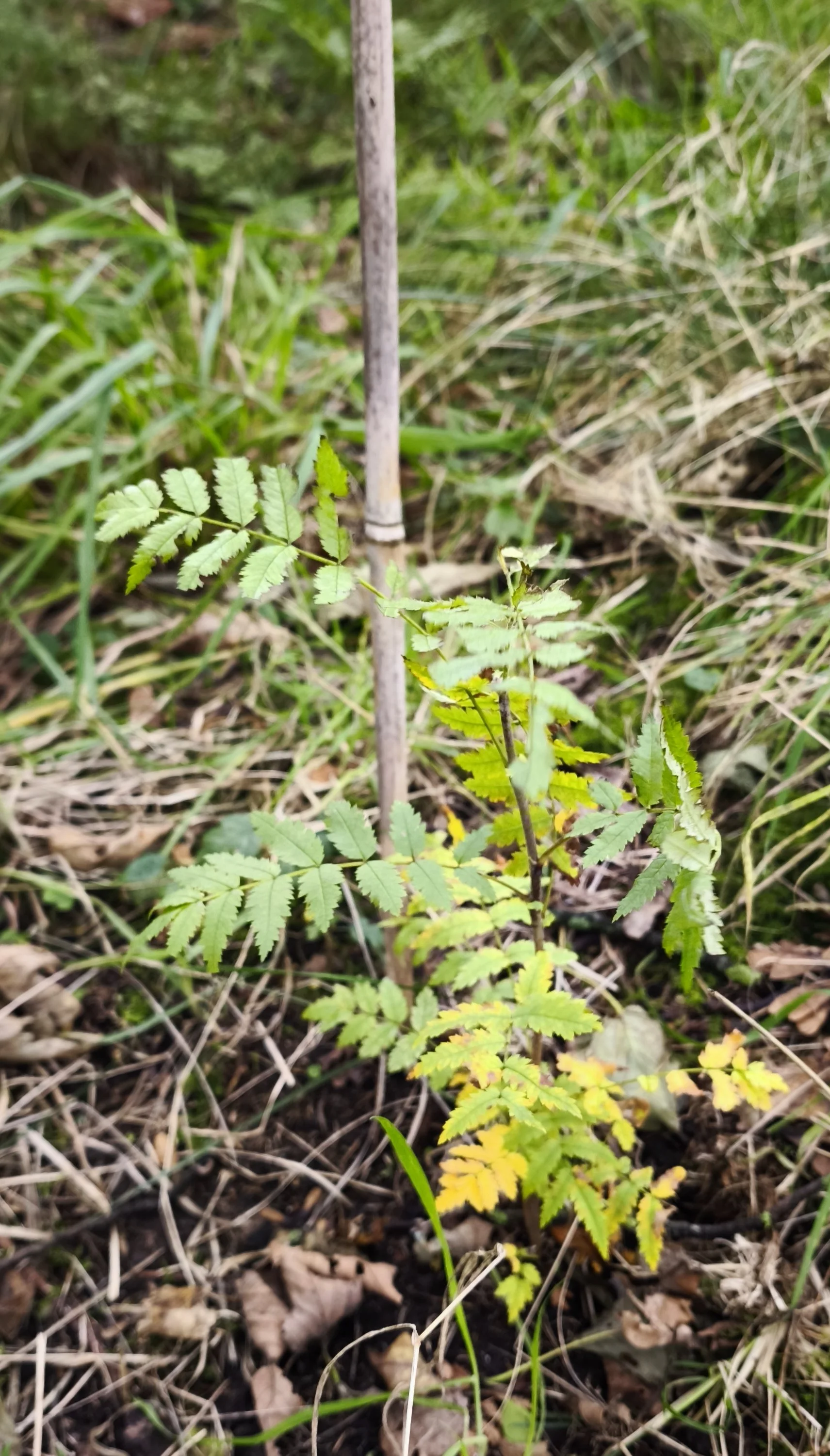
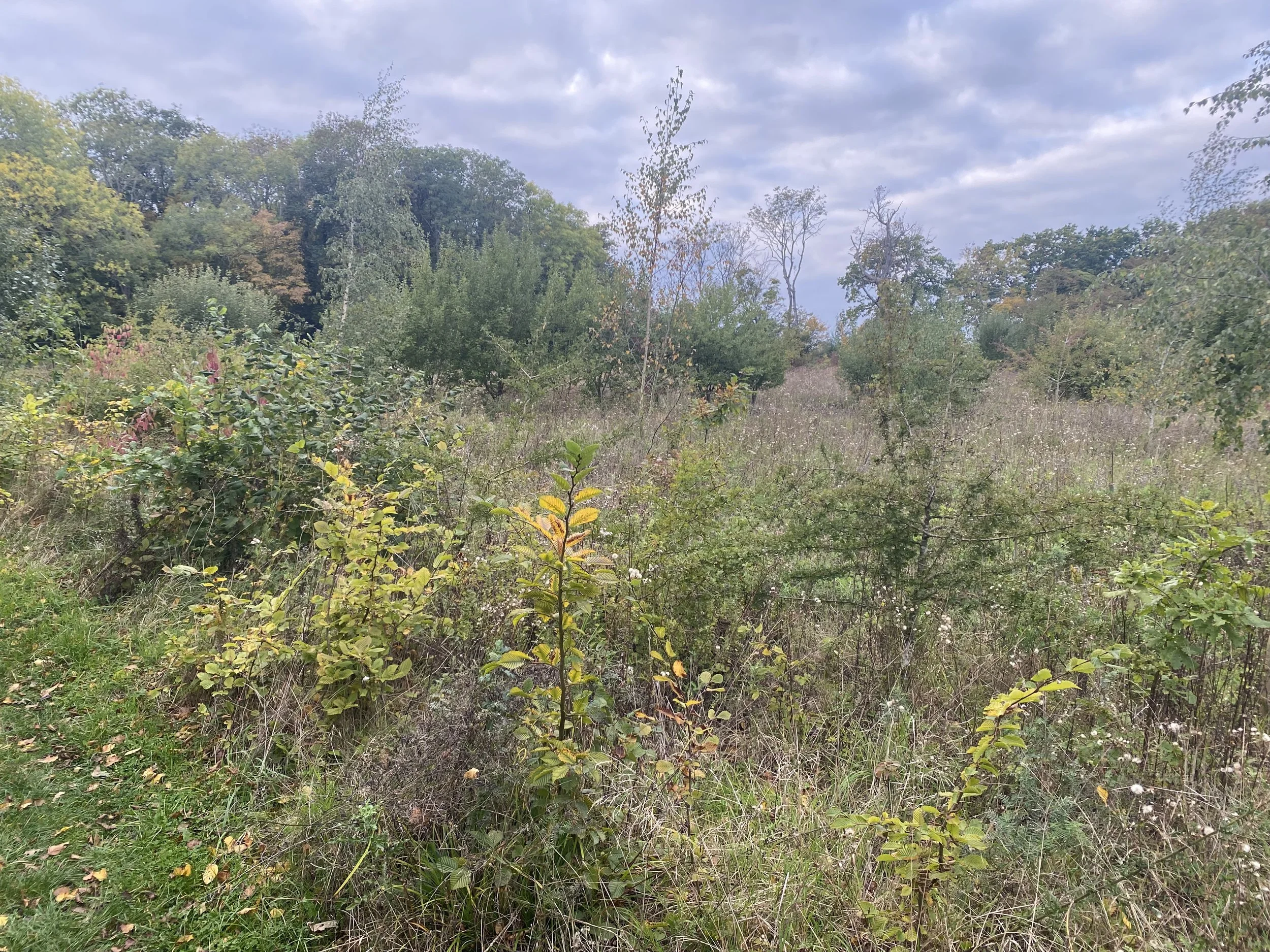
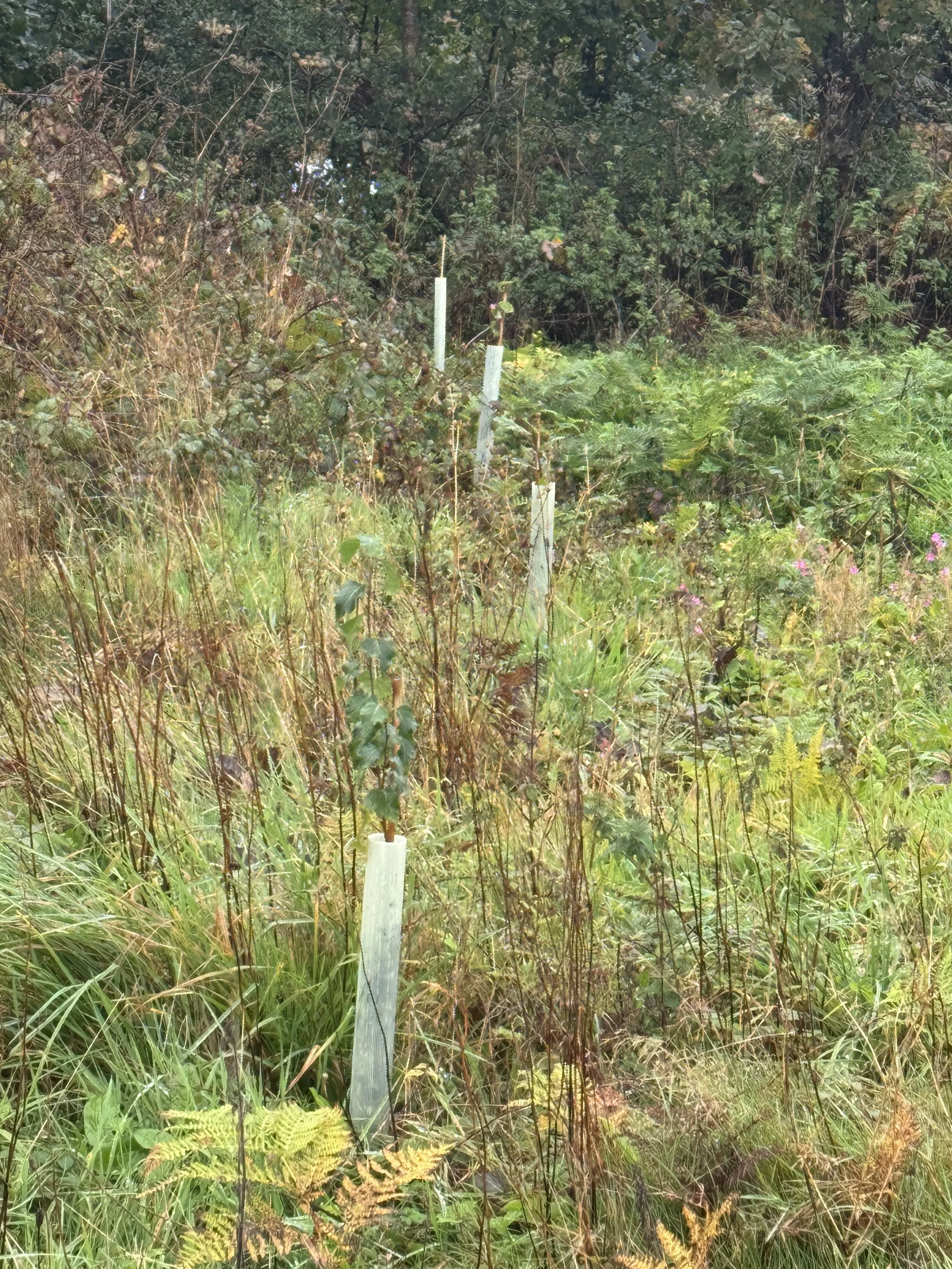
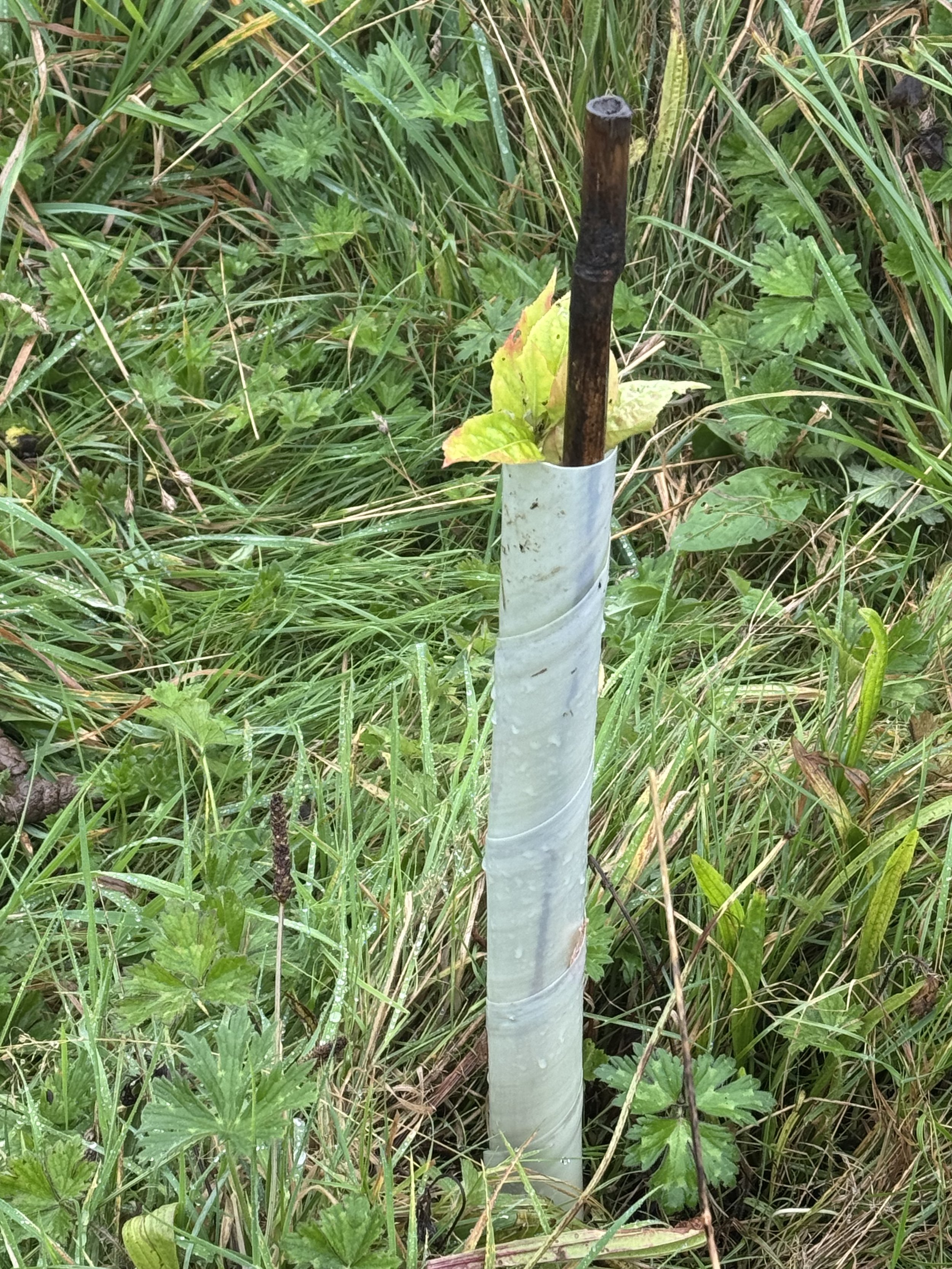
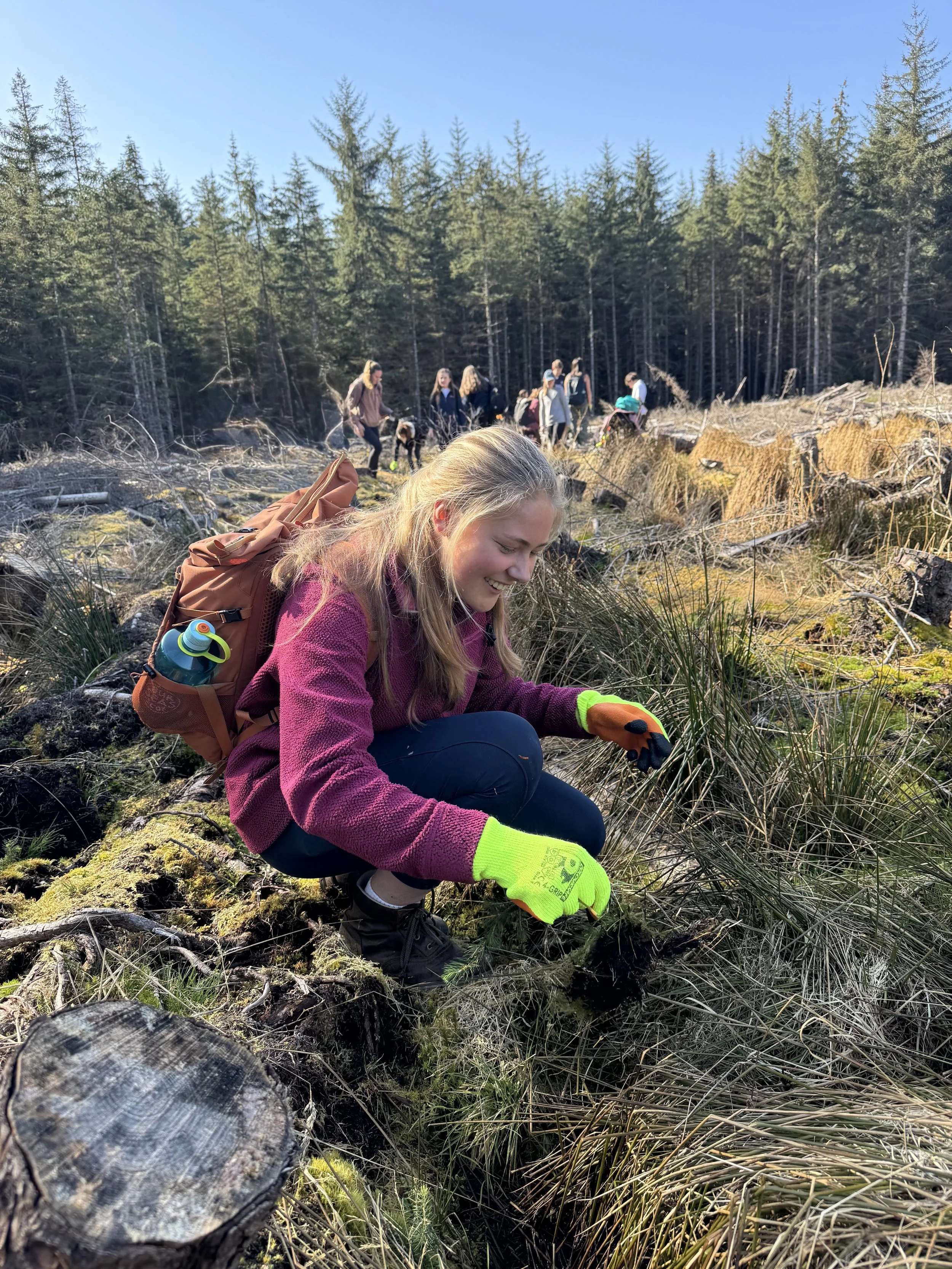
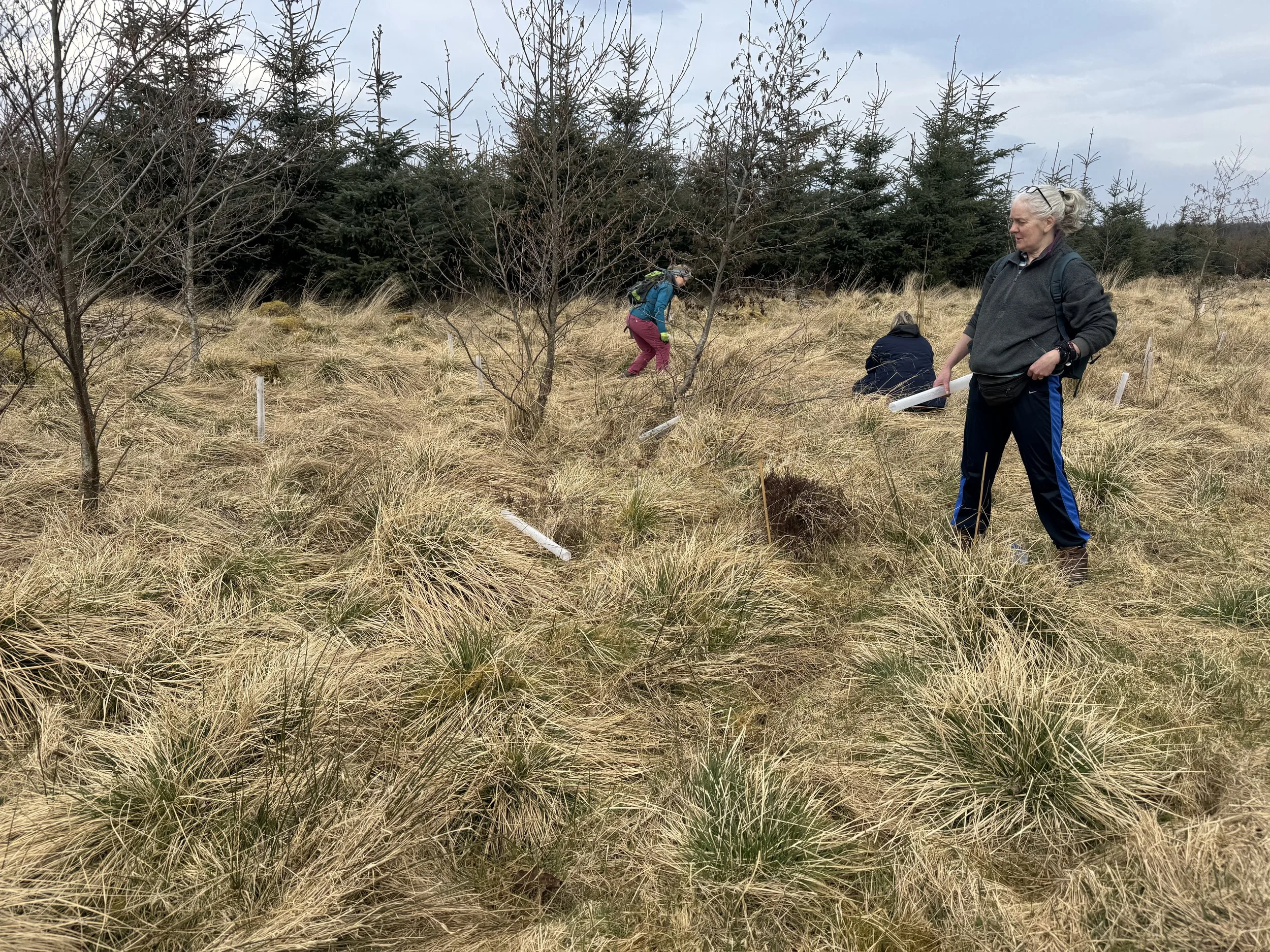
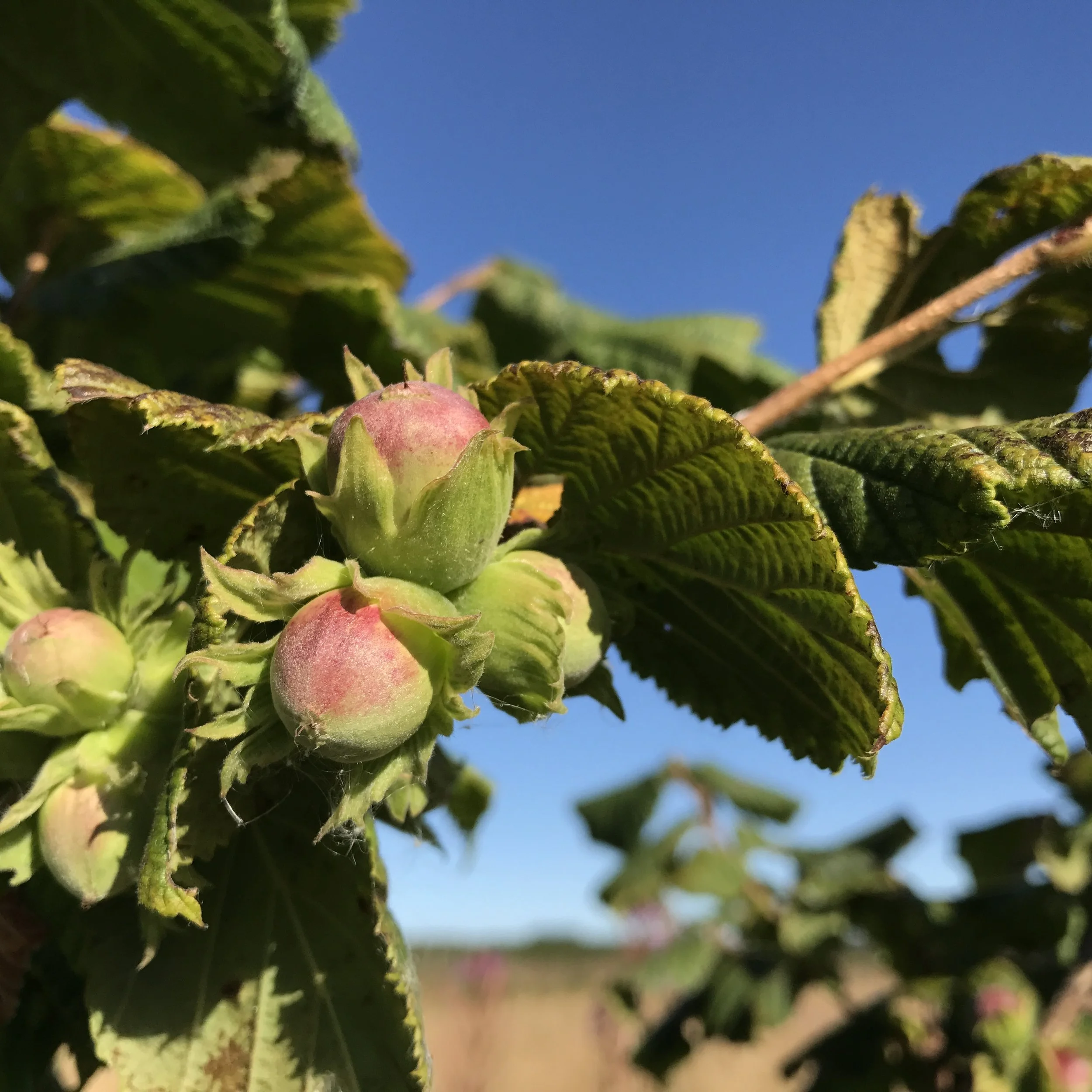
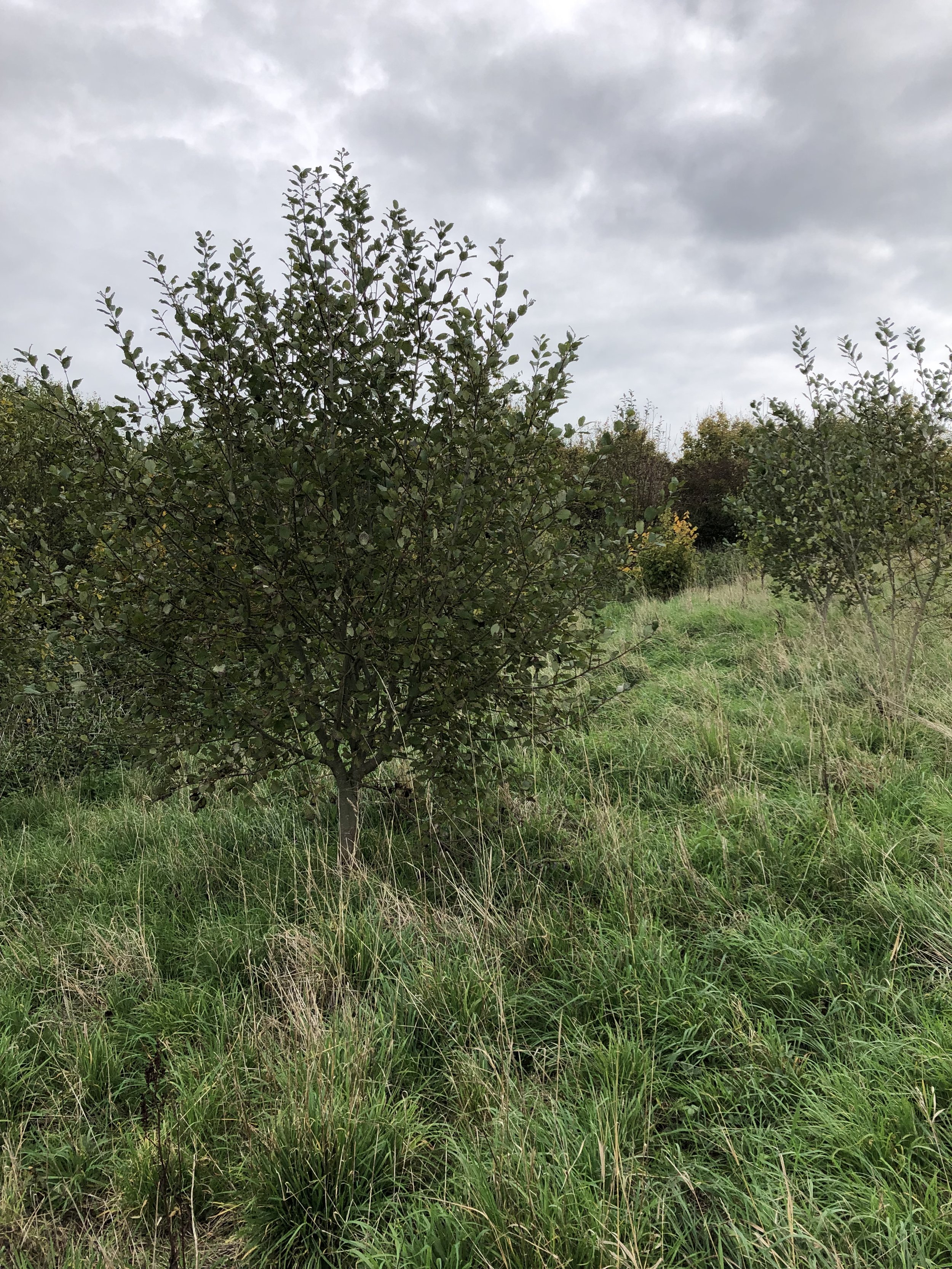
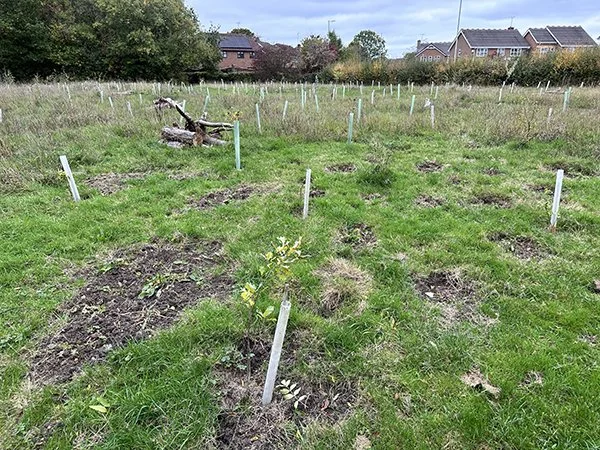
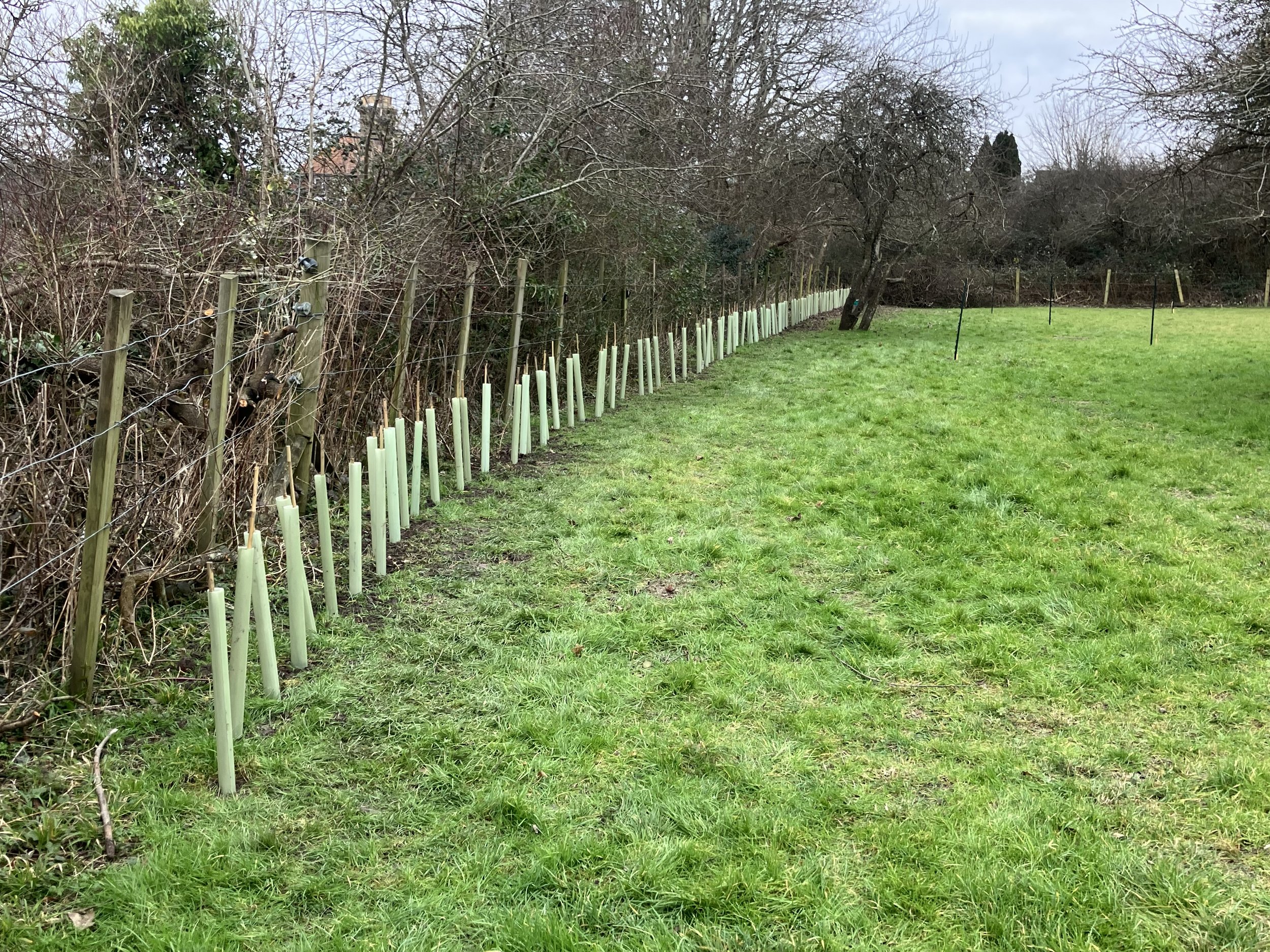
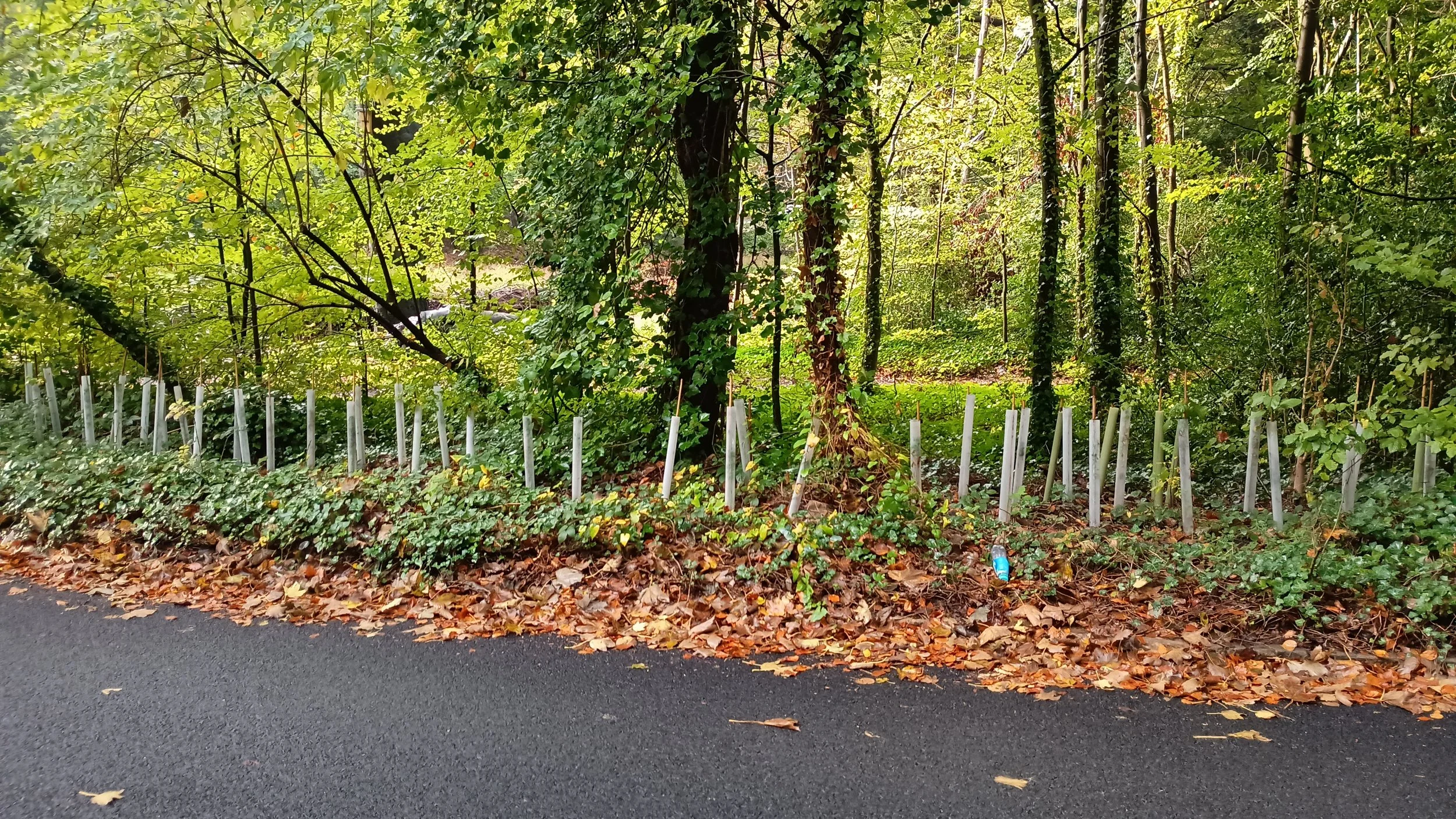
Images from across I Dig Trees planting sites, each linked to precise planting boundaries and over 50 structured data fields. Together, these records offer a detailed picture of species mix, tree health and how young woodlands are developing over time.
Unlocking deeper insights: species success, pests, resilience and more
As the dataset expands, it will open new opportunities to understand how different landscapes shape the success of I Dig Trees planting. By combining tree condition, survival rates, site characteristics and spatial data, TCV and 3ADAPT will be able to:
Identify which tree packs perform best in different locations: The data will show which species mixes thrive in particular soils, climates or land-use settings—supporting more resilient and locally appropriate planting.
Track patterns of pests, disease and invasive species: Observations already captured through the app will help identify emerging trends and early warning signals, allowing for more proactive management and planning.
Build climate-resilient planting strategies: Linking performance to site conditions will highlight what works where—and why. This will support better species selection, improved establishment methods and longer-term resilience as weather extremes intensify.
The combination of mapped boundaries, photos, site context and seasonal updates transforms each planting location into a long-term evidence base.
How early insights will shape the decade ahead
Monitoring isn’t just about tree performance—it’s about understanding the wider benefits the programme delivers. TCV’s impact model spans biodiversity net gain, carbon sequestration, access to nature, improved wellbeing, stronger communities, green skills and more.
As more volunteer groups record their sites and follow them through the seasons, Landarna will help connect planting activity to these broader outcomes—giving partners and communities a clearer picture of how nature recovery takes root.
What’s next?
This first dataset marks the beginning of a richer national picture of community-driven planting. With every group now equipped to record their sites from day one—and revisit them over time—the programme will be able to tell a more complete story of how I Dig Trees plantings grow, change and contribute to people and place.
The early results are promising. Communities aren’t just planting trees—they’re generating the insights needed to scale nature recovery with confidence, transparency and long-term stewardship.
Want to Learn More?
If you're part of a local authority, community group or organisation interested in tracking and improving the impact of your own land-based projects, we’d love to hear from you.
Interested in planting trees with your community? Find out more about I Dig Trees from The Conservation Volunteers.
Find out more about the App on the TCV website here.

Dr Phil Hampshire
Contact Phil who has led this work at 3ADAPT, to explore how LANDARNA could support your goals.